
Effective capex planning rental property involves strategically budgeting for major structural replacements and high impact upgrades to preserve asset value while maintaining steady cash flow. Landlords should prioritize projects such as roofing, HVAC systems, and kitchen renovations; this proactive approach prevents unexpected financial strain and maximizes long term return on investment across a real estate portfolio.
Portfolio owners often watch their projected yields vanish when aging systems fail unexpectedly, turning anticipated cash flow into a series of reactive financial fires. This volatility usually stems from a lack of rigorous capital expenditure planning; however, sophisticated investors recognize that CapEx is a strategic lever for asset appreciation rather than a mere line item for maintenance. This guide provides a comprehensive framework for mastering your rehabilitation priorities. We examine the critical distinction between emergency fixes and value-add improvements, provide realistic budgeting models that move beyond simple rules of thumb, and offer execution strategies to bridge the gap between planning and construction. Furthermore, we address specific tax optimization tactics and regional considerations for property owners in Illinois and Colorado. Mastering these elements ensures your portfolio remains resilient, profitable, and prepared for long-term growth.
Understanding CapEx Planning for Rental Property Portfolios
Successful portfolio management hinges on the ability to distinguish between day to day operating expenses (OpEx) and long term capital expenditures (CapEx). While OpEx covers the routine costs required to keep a property in its current state, CapEx represents an investment in the asset's future. The IRS defines these expenditures as costs that result in a betterment, adaptation, or restoration of a property. For an investor, a repair keeps a unit habitable; a capital improvement extends the useful life of the building or adapts it to a new, more profitable use.
Rigorous capex planning rental property management is essential to prevent the accumulation of deferred maintenance debt. This debt occurs when necessary improvements are delayed, eventually leading to compounding physical deterioration and sudden, massive cash flow disruptions. Without a proactive strategy, an unexpected roof failure or HVAC collapse can wipe out an entire year of net operating income (NOI) across multiple units.
Anchorline Holdings & Advisory approaches this challenge by integrating practical construction execution with sophisticated operational analysis. We look beyond the immediate fix to understand how a rehabilitation project impacts long term portfolio performance. By offering professional advisory services, we help owners transition from reactive spending to a structured capital plan. Our team applies this methodology to complex scenarios, such as student housing turn strategies, where capital timing is just as critical as the physical construction work itself.
The Difference Between Strategic Capital Improvements and Emergency Repairs
Proactive capex planning rental property strategies separate themselves from reactive maintenance through the lens of longevity and value preservation. A service call for a leaking faucet or a clogged drain is a routine operational expense, a necessary cost to maintain current habitability. In contrast, replacing a 20 year old roof or updating an entire electrical panel is a capital event. These actions do not just fix a problem; they reset the depreciation clock and enhance the asset's long term viability.
Regional environmental stressors in Illinois and Colorado demand a more nuanced approach to these improvements. In Central Illinois, HVAC upgrades are critical for mitigating the strain of extreme temperature fluctuations on older equipment. In Colorado, frequent hail seasons often turn roof replacements into a cyclical necessity, while shifting soil conditions may require strategic foundation stabilization. These are not mere repairs but essential structural reinvestments that protect the underlying equity of the portfolio.
Budgeting for these events often starts with common metrics like the 7% rule, which allocates a fixed percentage of gross rent to reserves. However, successful portfolio operators recognize that these percentages are merely starting points. Relying solely on a flat rate can leave an investor underfunded when multiple systems reach the end of their lifespan simultaneously. A more sophisticated approach involves a component based lifecycle analysis, where each major building system is audited for its age and condition. This precision allows for accurate professional advisory services that align capital outflows with actual physical needs rather than arbitrary industry averages.
How to Prioritize Rehabilitation Projects Across a Portfolio
Moving from a component based lifecycle analysis to actual project execution requires a rigid hierarchy of needs. Effective capex planning rental property management treats the portfolio as a collection of systems with varying levels of criticality. Without a structured prioritization model, investors often fall into the trap of funding visible, aesthetic upgrades while underlying structural or safety issues continue to erode the asset's foundation. Anchorline categorizes rehabilitation projects into a four tiered hierarchy to ensure capital is deployed where it is most protected and most productive.
Life Safety and Compliance: This is the non-negotiable foundation of any capital plan. It includes fire suppression systems, egress windows, deck inspections, and smoke/CO detection. In markets like Peoria or Denver, local code enforcement can trigger immediate, unbudgeted expenses if these systems are neglected. Ensuring compliance is the first step in mitigating catastrophic liability.
Building Envelope: Before investing in interiors, the exterior must be secured. This tier focuses on roofing, windows, and siding. A failure here leads to secondary damage, such as mold or structural rot, which exponentially increases the cost of future repairs. In the volatile climates of Central Illinois and Colorado, a secure envelope is the primary defense against weather related depreciation.
Mechanical Systems: HVAC, plumbing, and electrical systems represent the core functionality of the property. Upgrading to high efficiency systems or replacing aging galvanized plumbing reduces ongoing OpEx and improves tenant retention by ensuring consistent habitability.
Yield Enhancing Upgrades: Once the building is safe, dry, and functional, capital is directed toward finish basement conversions, kitchen remodels, and bathroom modernizations. These projects are designed specifically to drive rent growth and increase the property's capitalization rate.
Priority Level | Focus Area | Primary Objective |
|---|---|---|
1. Critical | Life Safety & Compliance | Risk mitigation and legal liability |
2. Protective | Building Envelope | Preventing secondary interior damage |
3. Operational | Mechanical Systems | Efficiency and tenant habitability |
4. Strategic | Yield Enhancements | Forced appreciation and rent growth |
Anchorline Holdings & Advisory assists investors in navigating these trade offs through our professional advisory services. We provide the data necessary to determine which yield enhancing projects will actually move the needle on NOI versus those that simply provide diminishing returns. For those managing high density assets, we integrate these priorities into student housing turn strategies to ensure that heavy construction does not interfere with critical leasing windows.
Budgeting Models for CapEx: From Rules of Thumb to Reality
Budgeting for capital expenditures often begins with generic benchmarks like the 1 percent rule, which suggests setting aside one percent of the property’s total value annually for improvements. While this provides a baseline, a sophisticated capex planning rental property strategy requires a transition toward the component life approach. This method involves inventorying every major asset, from boilers to kitchen cabinetry, and calculating its remaining useful life against its replacement cost. Relying on a flat capex rental property percentage can leave an owner severely underfunded if an aging portfolio hits a cliff where multiple high value systems fail simultaneously.
Building a capital reserve fund must account for the specific physical realities of the asset rather than market averages. For student housing operators, this reality includes an accelerated replacement schedule. The high intensity of annual turnover means that flooring, paint, and appliances often reach the end of their functional life in half the time of a traditional multifamily unit. Anchorline provides professional advisory services to help owners calculate these compressed lifecycles. By integrating these projections into student housing turn strategies, we ensure that capital is available exactly when the turn window opens, preventing delays that could impact occupancy and net operating income.
Execution Focused Solutions: Bridging the Gap Between Planning and Construction
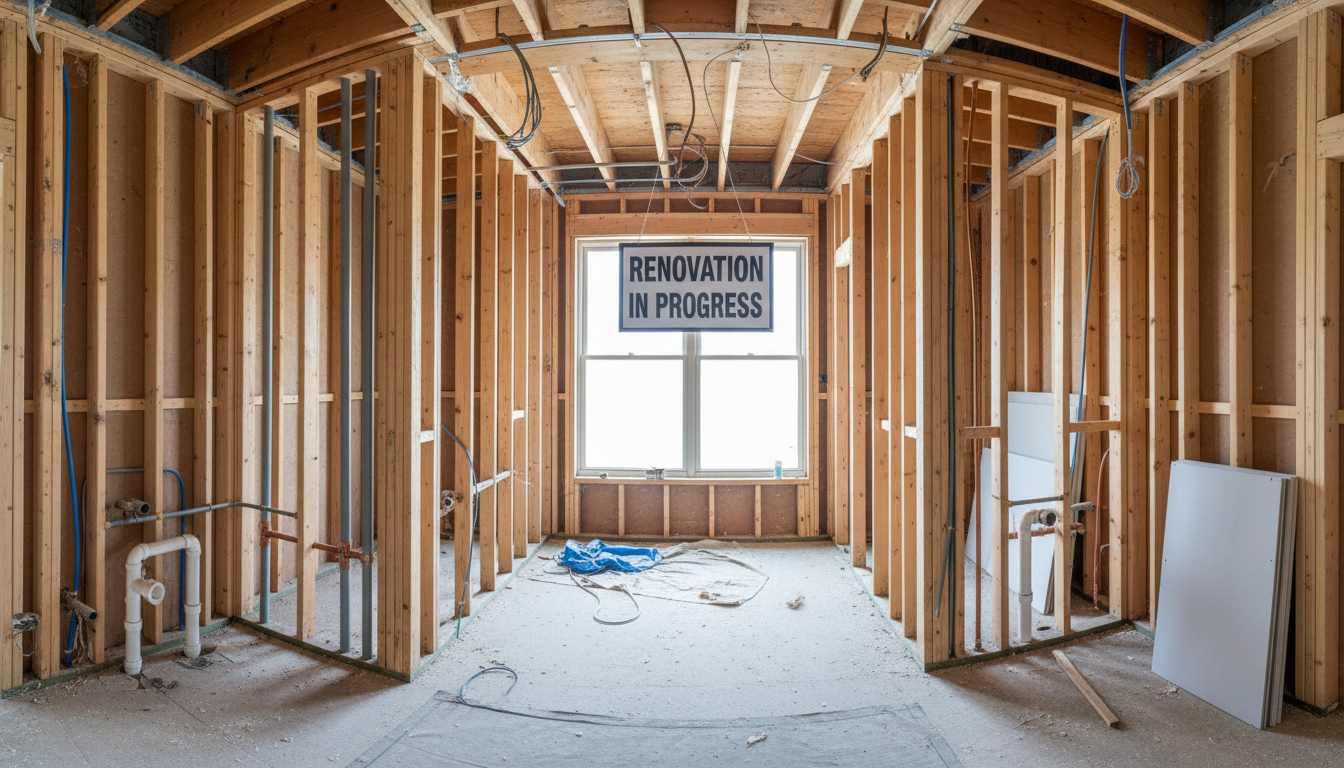
Execution requires moving beyond the spreadsheet and into the physical environment of the job site. Effective capex planning rental property management fails if the transition from financial projection to construction reality is uncoordinated. The primary challenge in multi unit portfolios is executing major upgrades without destabilizing the rent roll. This requires a rigorous workflow analysis to ensure that trades move through units in a sequenced approach, minimizing the time any single unit is offline. For occupied renovations, this coordination becomes even more sensitive, requiring precise scheduling and clear communication to maintain tenant satisfaction and prevent lease terminations.
Managing this process effectively demands vendor oversight that is both technically and operationally literate. A standard general contractor focuses on the physical build, such as ensuring plumbing rough ins and electrical panels meet code. However, an owner needs more than just a passing inspection; they need the project to align with specific leasing windows and NOI targets. If a renovation slips past a peak leasing season, the lost revenue can often outweigh the value of the physical improvement itself. This is why project coordination must account for the physical constraints of the building alongside the economic constraints of the market.
Anchorline Holdings & Advisory bridges this gap by offering professional advisory services that synchronize construction milestones with operational goals. We analyze project dependencies to prevent bottlenecking and ensure that materials are staged for maximum efficiency. By integrating construction expertise with a deep understanding of student housing turn strategies and multifamily cycles, we provide the execution layer that protects your capital. To discuss how we can coordinate your next rehabilitation project, contact our team.
Tax Implications and Portfolio Optimization Strategies
Integrating capex planning rental property initiatives into a broader tax strategy transforms physical improvements into sophisticated financial levers. While standard improvements are generally depreciated over a 27.5 year schedule, portfolio owners can utilize cost segregation studies to reclassify components like specialized lighting, flooring, or landscaping into shorter five, seven, or fifteen year recovery periods. This acceleration, often paired with bonus depreciation, allows for substantial front loaded deductions that preserve capital for future acquisitions or debt reduction.
Anchorline Holdings & Advisory acts as the bridge between the job site and the balance sheet. Our professional advisory services provide the detailed cost breakdowns and asset life assessments that CPAs and financial teams require to maximize these benefits. By aligning rehabilitation planning with an owner's specific investment timeline and exit strategy, we ensure that every dollar spent on construction is optimized for both operational performance and tax efficiency. For a detailed analysis of your portfolio's capital needs, contact our team.
Local Considerations for Illinois and Colorado Property Owners
Regional climate dictates the execution calendar for capex planning rental property owners. In Central Illinois, exterior projects like roofing, siding, or masonry must be prioritized between late April and October to avoid the structural risks of freezing temperatures during material curing. Colorado markets often provide a more flexible window for dry work, yet the unpredictable spring cycles in Denver satellite markets require agile project coordination to avoid weather related delays and labor surcharges.
Winterization is a critical capital category in these regions. Upgrading aging boiler systems in Peoria multifamily assets or installing high efficiency insulation in Colorado properties prevents the catastrophic pipe bursts that frequently turn into emergency operational expenses. Furthermore, investors must account for local code triggers. In markets like Champaign, renovating older stock often necessitates unbudgeted electrical or fire safety upgrades to meet modern municipal standards once walls are opened. Anchorline provides professional advisory services to help investors navigate these regional nuances, ensuring that student housing turn strategies align with local climate windows. To develop a localized rehabilitation schedule, contact our team.
Strategic CapEx planning is more than just fixing what is broken; it is about prioritizing the specific projects that maximize long term property value. Balancing immediate maintenance needs with future growth requires a clear, data driven strategy. If you want expert help navigating these complex financial decisions or refining your rehabilitation priorities, our advisory services provide the specialized insight needed to scale your portfolio with confidence. Taking a proactive approach today ensures that your investments remain competitive and profitable for years to come.